
The mindful traveler: How can you merge into a new culture and experience the country fully?
Traveling is so much more than going to a place in order to take a selfie. It is more than just getting your passport stamped and more than visiting a beautiful beach. These things are part of your travel and certainly can be a lot of fun. I love crossing borders, especially in Africa and it certainly became a hobby of mine to collect these stamps, but we live in a world with many controversies and as travelers, we carry a responsibility of representing our country of origin and show respect towards our hosts.
In the past years, it started to really irritate me to watch tourist exploit service contributors in other countries. I understand that each of us wants to have a holiday especially the ones that come from countries that have 10 or 15 days a year. But there are certain behaviors that we don’t have to accept and I would really like to be better represented overseas. I had to witness the other day in Bali a scenario that was more than unpleasant to watch: Two divers were walking behind a guide towards a boat. The man was about 2 meters tall, strongly built and the woman looked absolutely healthy and very athletic. The guide, a small Balinese, was carrying two oxygen bottles and their backpacks. Anyone that had one of these bottles in their hands knows exactly how heavy they are. The man was walking like a pasha next to the little man and telling him how he wants the day trip to look like. I was embarrassed and felt this incredible shame in me. Traveling and exploring, but also being on a holiday doesn’t mean that you need to abuse the situation and behave like the rich conqueror that arrived and is rescuing the poor islander by offering them money in exchange for them being basically your slave.
I was asked the other day how I actually get to know locals and manage to submerge deeper into the local culture every time I am visiting a new country ending up with so much access to locals and hidden places. I have never really thought about the how and why till that moment and it made me think? What am I doing differently?
Growing up as a refugee, I experienced many situations in which people were treating my parents like they were not worth anything. As much as some of these memories hurt, they taught me a valuable lesson. Dignity, respect, and kindness are the three most valuable attributes of humans that will transform your next journey into a memory of a lifetime and will open doors to hidden treasures. Now you might think isn’t that something that I am already doing? That might be absolutely the case. That’s why I collected some memories of situations that showed me and taught me more about a different culture.

- I always carry a pareo or even two with me in order to cover my body when necessary. That happens more often than we actually are aware of and not just while visiting temples and mosques or other religious or holy places. I try to avoid walking half naked across a local market with the intention to adjust to the local customs. This shows respect and dignity, but also it shows that you have been learning about the culture and that you are curious and want to learn more.
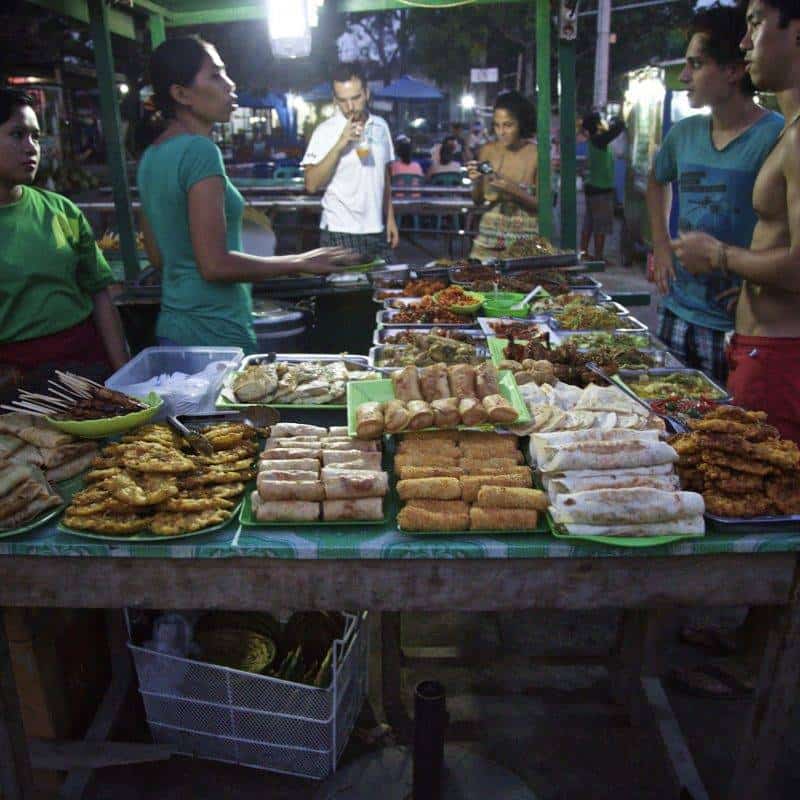
- Ask questions and if you don’t speak the language make your body language work for you. People around the world understand each other through sign language. As human beings, we want to get to know each other and learn from each other, if you make an effort the other person will appreciate it and will explain and show you. And you might be surprised sometimes you don’t even know what else they could show you. Especially in markets, it can be helpful to be rather curious and not act like the conquering tourist. I have been invited for lunch on markets, offered wild fruits that didn’t look good but tasted amazing.
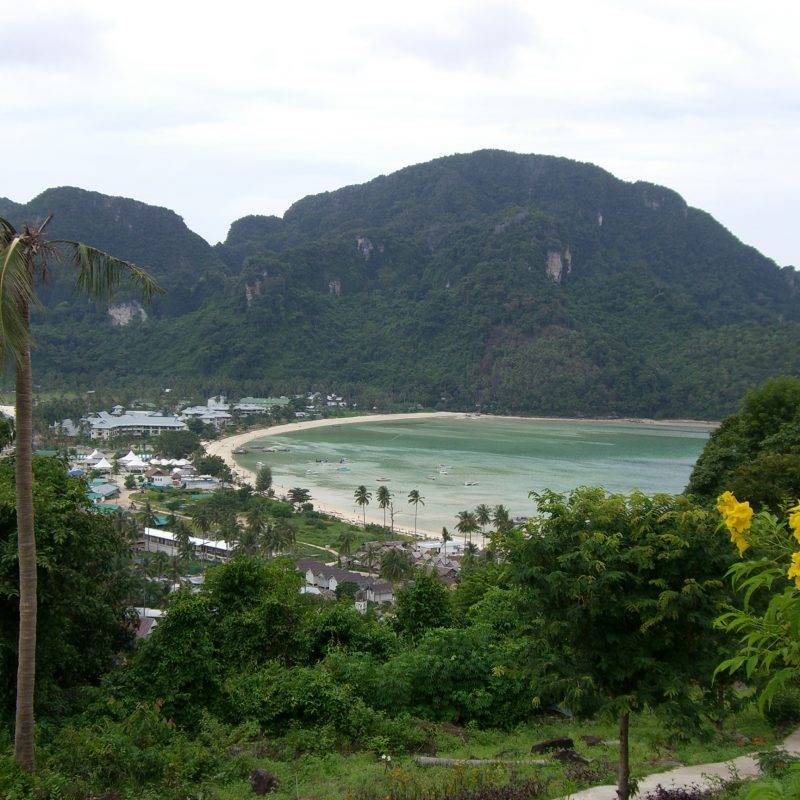
- Eat where the locals eat. One of my favorite memories is a small restaurant on Koh PhiPhi. It wasn’t fancy and didn’t adhere to western standards. The restaurant cats were sitting in the fridge in order to cool down. The place was filled with locals and two white Europeans. It didn’t take long and we were offered to sit next to a bigger group of locals and share with them some food. It was not just some of the best Thai food that I ever had, but it was a great evening of talking broken English, moving our hands and enjoying laughter around us. By the way, laughter is a universal language. Many emotions are culturally formed and can’t be understood outside of the cultural context, but joy and laughing belong to the universal emotions.
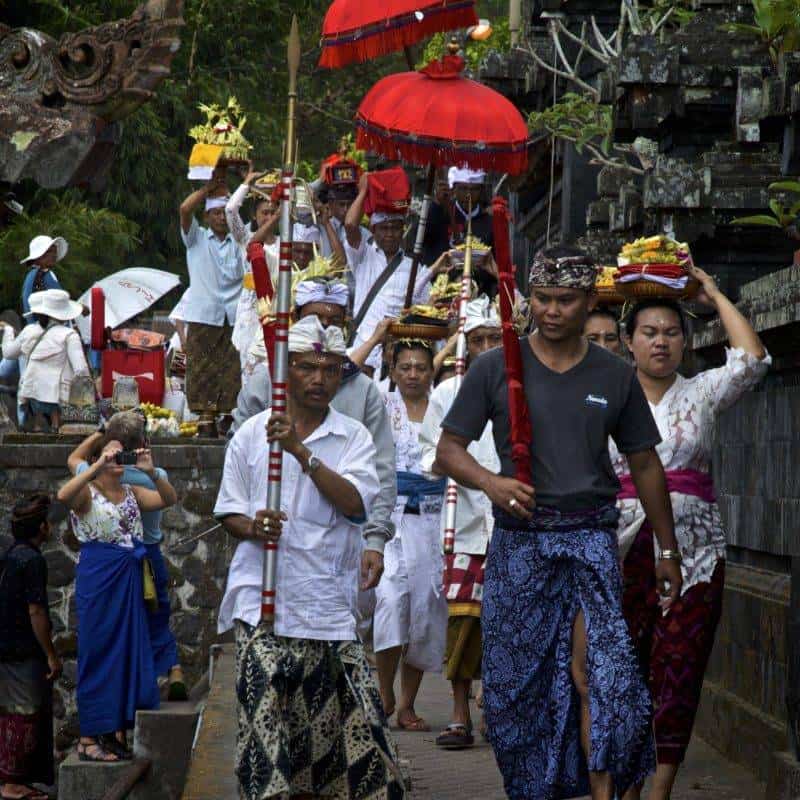
- Bring an offering to temples. If you would like to experience the local culture participate in it. Most temples and holy sights are really beautiful and of course worth being visited. But it is much more fun to actually bring an offering and asks the locals to show you what to do. And they will. As you are showing respect and dignity towards their culture and you want to learn.
- Bargaining is in many different cultures a must and a way of showing respect. But in some, it isn’t. I remember a time when I wanted to see so badly a specific beach. There was no real road and we got a driver and negotiated with him a price that seemed fair. It was low season and there were not a lot of tourists. He could see that we were set on our price and if he would take us where we were willing to walk until we would have found someone else. So he agreed. I drive was super exhilarating through the jungle on a sandy road. The hills were crazy and the car was really giving all it had. I felt so bad for this man. So bad that he was doing this crazy trip for us, using his bread and butter to get us there. Taking the risk of destroying his car for actually very little money. I was younger and money was tight, but we had to correct our mistake. We did bargain too much. It was four of us and we decided already on the road that we would pay him double and ask him if he would like to have lunch with us. You could see the relief on his face when we gave him more money. He did have lunch with us and told us about a small secret BnB. Also, by mentioning his name they gave us a very low price and we didn’t even have to bargain with them. So be mindful when bargaining and respectfully understanding what a fair price is. And observe and ask around what a fair price is before negotiating the hack out of everything.
- Hire a local driver. That is one of my favorite tips. I am actually still in touch with three drivers from around the world. Sometimes it is worth hiring a local driver and asking him to show you his favorite spots and you will be surprised what you will see, especially if you ask them to take you to the non-tourist spots. Also, sometimes they can be your heroes. I had one of the drivers actually picking me and my mother in the middle of the night from a terrible hotel that we have chosen and driving us around an island for 3 h till we found a suitable place. I had also drivers inviting me over for a family dinner. And I never had the situation that they asked me for more money than we agreed upon on.
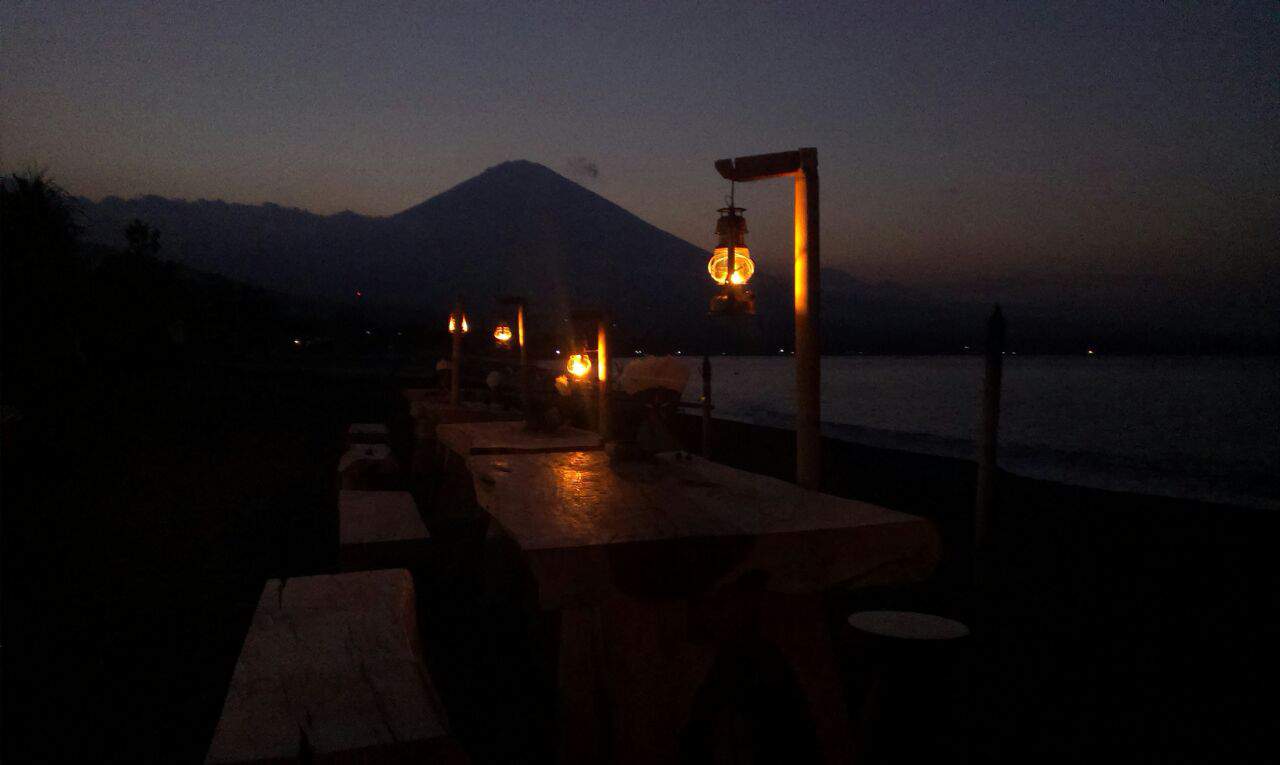
- Buy lunch or dinner for locals just to make their day. I stay in Bali on one beach for over a week and saw an older man living in a small hut made of sticks and nothing more. This man really had nothing. His hut was not far away from a small beach restaurant that had really great food and I ended up having dinner there every evening (I like to create some regularity while I am traveling J ). The cost of a dinner was about 2 to 3 euros and I started to order a meal for this man every evening and brought it to him. It really didn’t cost me much and brought me most probably even more joy then him. He had no place to cook on and didn’t have much at all. No one really knew who he was or what he was doing. Every evening he took the meal thanked me for it and brought later on the plate with cutlery to the restaurant. On the 5th evening he was already waiting for me to come, but not for me to buy him dinner. He brought fruits and handed them over to me. It was that evening that he had dinner with me and the restaurant prepared the fruits for us. We didn’t speak and just had a quiet meal, but there was the appreciation from both sides and a joyful memory.
As travelers, we have a responsibility to ourselves, the environment and mostly the society and culture that we are visiting. One of the things that I find concerning and sad is how often people leave their trash behind in the jungle, beach or just even beautiful streets. The other things that I became aware of the way some tourists are unaware that certain places have certain rules for clothes and sometimes it is just a matter of respect not to show your naked tummy.